


Keep the lock, change the key
Rekeying changes the working key for a suitable lock. It can be useful after a move, a lost set or a change in who should have access. Hardware that is still in good condition may be able to stay.
If the lock is damaged, rekeying won't repair that damage. It helps to explain both concerns: who may have a copy and whether the lock works properly.
More about rekeying and home locksNotice when the lock catches
Does the problem appear when you close the door, or does the key resist turning even with the door open? Is the handle loose? Does the bolt rub against the frame?
Those details help separate a lock fault from a fit problem. Choosing a replacement before the door has been checked can leave the real cause unresolved.
Apartment door or building entrance?
In a Brooklyn apartment building, the lock on your own door and the shared entrance may be managed separately. Changing a common lock affects everyone who uses it.
If you rent, speak with the landlord or property manager before arranging changes. For shared doors, establish who can approve the work and who will need keys afterward.
A few useful questions
Can several locks use one key?
Sometimes, if the locks are compatible. Similar-looking locks don't necessarily use the same key system. Include every door you want considered when describing the job.
Should I buy a replacement lock first?
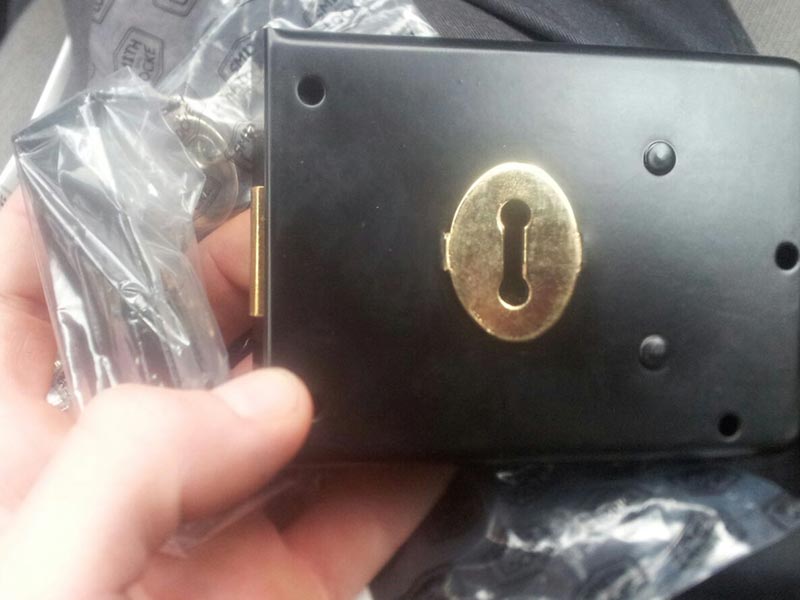
Checking the door and the intended hardware first can save a mismatch. If you've already bought a lock, keep its packaging and model details for the discussion.
Can you help if I'm locked out of my apartment?
Yes, home lockouts are part of our service. Say whether the keys are inside, lost or broken, and mention whether the building has its own access procedure.
No matching questions. Try another word, or call Preebro.