

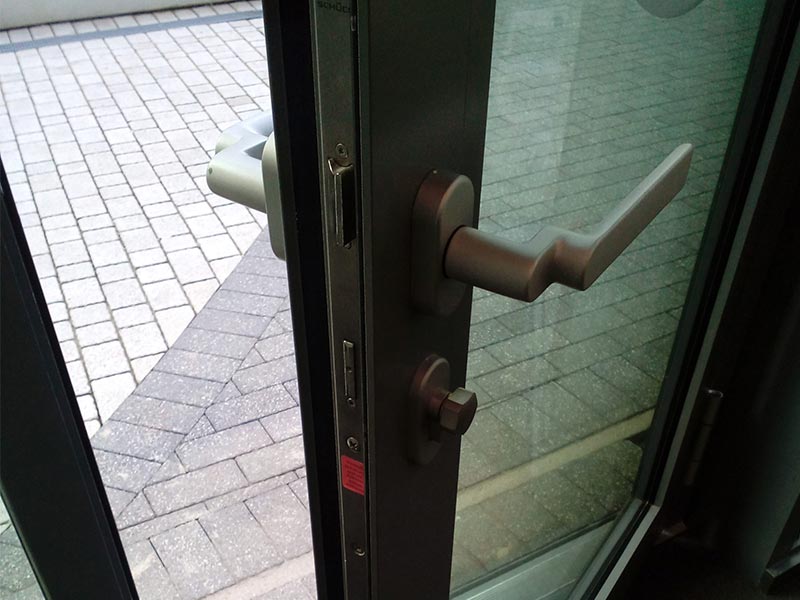
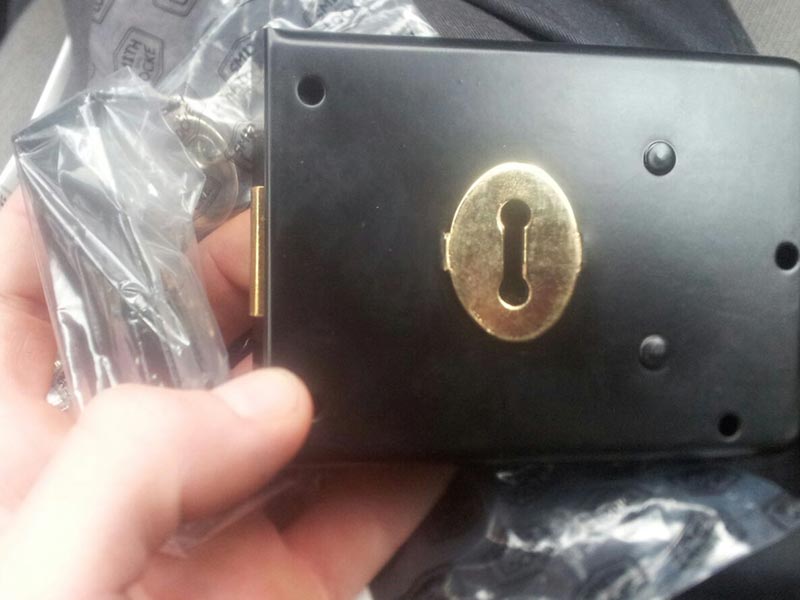

Start with who needs access
An employee leaves, a tenant changes or a key goes missing. Before ordering new keys, decide which doors each person should be able to open.
Rekeying suitable locks can stop old keys from working without replacing all the hardware. If a lock is worn or damaged, that needs to be considered separately.
A repair for a door that gets used all day
A shop entrance may work well at opening and start catching after a busy day. An office latch may need a push each time someone leaves. Describe the pattern, including whether the door closes fully.
The lock, handle, door and frame work together. A repair discussion should account for the fault you see, rather than assume that another key will solve it.
Shared premises need a clear plan
The main building entrance may be managed by someone other than the business renting the space. Confirm who can authorize a change before arranging work on a shared door.
For several locks, a short door list helps. Note who uses each entrance, which keys should stop working and how many new copies are needed. Mention any existing building key or access system.
When you can't open or lock up
Call with the address and explain whether the business is inaccessible or cannot be secured. Ask about current availability and the proposed charges. Planned work can also be discussed around your opening hours.
A few useful questions
Do all locks need changing after a staff change?
Not necessarily. Rekeying may suit compatible locks in good condition. Which doors need attention depends on the access that should end.
Can you look at several doors in one visit?
You can request that when arranging the work. Describe the number of doors, any known faults and the person who will approve the job.
Should I mention our building's key system?
Yes. A lock may be part of a wider system, and changing it can affect how other keys work. Include the property manager where needed.
No matching questions. Try another word, or call Preebro.